







Introduction
Have you ever experienced a moment when life just flows? Maybe it was during a long walk in nature, a meaningful conversation, or a creative project where time seemed to disappear. Your mind felt calm, your focus sharp, and everything around you seemed to click. Science has a name for this kind of mental harmony: alpha coherence.
What’s fascinating is that this brain state isn’t just a rare accident. It can be cultivated, and one of the simplest, most effective ways to do that is through Transcendental Meditation (TM).
In this article, we’ll explore what alpha coherence really means, why scientists get excited about it, and—most importantly—how it can make your everyday life more calm, creative, and connected. 
Key Takeaways
Alpha coherence is your brain’s way of running smoothly, like a well-tuned orchestra instead of a noisy rehearsal. When you practice TM, this coherence increases naturally, leading to greater calm, sharper focus, and richer creativity. You don’t have to understand the science to feel the difference—it shows up in how you handle stress, how well you focus at work, and even how you connect with the people you love.
What Are Brainwaves?
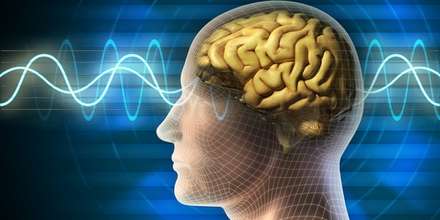
Your brain is like an electrical symphony, always buzzing with activity. These rhythms are called brainwaves, and they’re measured in cycles per second, or Hertz (Hz). Each wave pattern corresponds to a different state of mind.
When you’re fast asleep, your brain moves in slow delta waves. When you’re daydreaming or on the edge of sleep, it shifts into theta. During normal waking life, beta waves take charge—quick, busy, and sometimes scattered. Gamma waves appear during bursts of insight and high-level thinking.
And then there’s alpha. Sitting in the middle of the spectrum, alpha waves bridge relaxation and alertness. They show up when you’re calmly focused—reading, reflecting, or enjoying music. You’re not forcing anything, yet you’re fully present. For most people, these are their most enjoyable and productive moments.
What Is Alpha Coherence?
Alpha coherence takes things one step further. It’s not just about producing alpha waves—it’s about different parts of the brain producing them together.
Think of an orchestra warming up. At first, it’s a jumble of sound, each musician tuning their own instrument. But when the conductor steps in, everything aligns into harmony. That’s coherence: your brain’s regions syncing so the whole system performs beautifully.
When this happens, your experience is tangible. You feel balanced, focused, and calm, yet energized. Instead of being tugged in ten mental directions at once, you feel integrated—as though your whole self is working in sync.

How TM Affects Brainwaves
Most forms of rest bring some relief, but TM does something unique. During practice, research shows a strong rise in alpha coherence, especially in the frontal parts of the brain that regulate decision-making, creativity, and self-awareness.
The magic lies in how effortless it feels. TM isn’t about forcing concentration or controlling thoughts. You sit comfortably, close your eyes, and the mind naturally settles inward. As it does, the brain shifts gears—moving from scattered, busy waves into calm, synchronized alpha rhythms.
What’s remarkable is how quickly this happens. Even beginners practicing TM for the first time often show measurable changes in brain coherence within minutes.
Everyday Benefits of Alpha Coherence
The real question isn’t what happens in a lab—it’s how this state shows up in your life. And that’s where the benefits shine.
- Stress relief: Instead of being hijacked by anxiety or tension, you feel calmer and more centered. Daily challenges still arise, but they don’t throw you off balance.
- Sharper focus: Coherence clears away the mental “static,” helping you concentrate on what matters.
- Creativity: Ideas flow more easily when the brain is connected. Writers, artists, and entrepreneurs often describe breakthroughs after TM.
- Emotional balance: You bounce back more quickly from frustration or disappointment. Mood swings smooth out, leaving space for steadier happiness.
- Relationships: When your mind is calm and coherent, you listen better, respond more thoughtfully, and connect more deeply with others.
In short, alpha coherence is not just about brain science—it’s about creating the best conditions for living a calmer, more effective life.

The Science Made Simple
To measure brainwaves, researchers use EEG (electroencephalography). When people practice TM, the sensors pick up a clear pattern: stronger, more widespread alpha activity across the brain.
Studies show this coherence is associated with lower levels of cortisol, the stress hormone. It’s also linked with better academic performance, improved memory, and greater resilience in high-pressure situations.
In plain English: TM gives your brain a chance to reset, recover, and work more smoothly—not just while meditating, but also afterward in daily activities.
TM vs Other Techniques
Many practices support mental health, from mindfulness and yoga to breathing exercises. Each has its benefits. But TM stands out in a few key ways.
Mindfulness can build awareness, but it often requires effort—staying focused on the breath or present moment. Breathing exercises are excellent for quick stress relief but tend to fade once you stop. Sleep is restorative, yet not always coherent if stress is high.
TM, by contrast, seems to switch the brain into coherence automatically. Even people new to the practice can experience a deep, effortless calm. That’s why TM has been studied more extensively than many other methods—it produces consistent, measurable results.
Real-Life Applications
Picture this: You’re halfway through a hectic workday. Emails keep pouring in, meetings run long, and your to-do list seems endless. By mid-afternoon, your brain feels scattered. You try pushing through, but focus slips away.
Now imagine taking twenty minutes for TM. When you open your eyes, it’s as if your mind has been rebooted. The same tasks are in front of you, but they no longer feel overwhelming. Your thoughts are clearer, your stress lighter, and you handle conversations with more ease.
This isn’t about escaping your responsibilities—it’s about showing up better for them. Whether you’re a student preparing for exams, a parent managing family stress, or a professional juggling deadlines, alpha coherence gives you a mental edge that feels natural and sustainable.
FAQ
1. What makes alpha coherence different from other brain states?
Alpha coherence combines relaxation with alertness, unlike sleep (too passive) or stress (too active).
2. How soon can I notice changes from TM?
Many people feel calmer after the very first session, and research shows brainwave changes right away.
3. Does TM only help during meditation?
No—the coherence continues afterward, influencing how you think, work, and relate to others.
4. Can children or teens benefit?
Yes. Studies show TM can improve focus, reduce anxiety, and support learning in young people.
5. Does TM replace sleep?
No, but it provides a unique rest that complements sleep, often leaving people feeling more refreshed.
6. How does TM compare to mindfulness?
Mindfulness involves monitoring the present moment, while TM is effortless and automatic. Both help, but TM produces stronger alpha coherence in studies.
7. Is alpha coherence the same as “flow”?
They’re related. Alpha coherence is a brain state that supports flow, that effortless feeling of being fully engaged.
8. Can exercise or music create alpha states too?
Yes, both can, but TM tends to produce broader, more stable coherence across the brain.
9. Do you need to meditate daily?
Regular practice deepens the benefits. TM is typically practiced twice daily for best results.
10. Is there long-term proof of TM’s effects?
Yes. Long-term practitioners often show higher baseline coherence even outside meditation.
Final Verdict
Alpha coherence may sound like a technical lab discovery, but in practice, it’s about something deeply human: living with calm clarity. It’s the state where your brain and life feel aligned, where stress loses its grip and creativity has room to thrive.
Transcendental Meditation is one of the simplest ways to access this state. You don’t have to force it, focus intensely, or spend years learning. You simply close your eyes, follow the method, and your brain does the rest.
The result is more than a meditation practice—it’s a practical tool for a more balanced, creative, and fulfilling life.
Verdict: 9.5/10 — TM turns brain science into a daily advantage, helping you thrive in a busy world.
Research Studies
1. Rapid Rise in Frontal Alpha Coherence
A classic study had participants practice TM twice daily for two weeks. After this, brain scans (EEG) showed a significant increase in frontal alpha coherence, more so than general relaxation practices—even with no change in alpha power itself. This suggests TM helps the brain work in harmonious patterns, not just produce more alpha waves. PubMed
2. Alpha Synchrony During TM Practice
Further research explored phase synchrony—how in-sync different brain regions are within the alpha frequency. Findings indicate that meditation strengthens cortical integration, meaning your brain regions start “playing in unison,” rather than acting independently. ScienceDirectResearchGate
3. Studies Summarizing Alpha Coherence Across Meditation Styles
A comprehensive review of meditation research found strong evidence that TM, along with focused attention (FA) and open monitoring (OM) practices, increases alpha coherence in frontal and parietal regions. Particularly, TM uniquely emphasizes frontal alpha rhythms, highlighting its ability to enhance mental integration. BioRxiv+15Frontiers+15MIT Press Direct+15
4. Long-Term Effects: Integration Beyond the Session
One remarkable 10-year longitudinal study tracked TM practitioners and found increases in self-development, measured via EEG markers tied to integration—specifically, high frontal EEG coherence and elevated alpha activity. These changes correlated with traits like emotional stability, moral reasoning, and greater self-awareness. davidlynchfoundation.org
5. Brain Integration Widely Recognized
Broader reviews note that TM is one of the few meditation techniques consistently shown to boost broadband intra-hemispheric and inter-hemispheric EEG coherence, meaning improved communication across both sides of the brain. This translates into measurable gains in creativity, intelligence, and emotional balance. Wikipedia+15Transcendental Meditation (TM) For Women+15tmkeskus.ee+15